
неврология

Electromyography (EMG)

neurology, неврология

Electromyography (EMG) is a diagnostic procedure to assess the condition of muscles and the nerve cells that control them (motor neurons). EMG results may reveal nerve dysfunction, muscle dysfunction, or problems with signal transmission from nerve to muscle.


Motor neurons transmit electrical signals that cause muscles to contract. In an EMG, tiny devices called electrodes are used to convert these signals into graphs, sounds or digital values, which are then interpreted by a specialist.

During a needle EMG, an electrode inserted directly into a muscle records the electrical activity in that muscle.

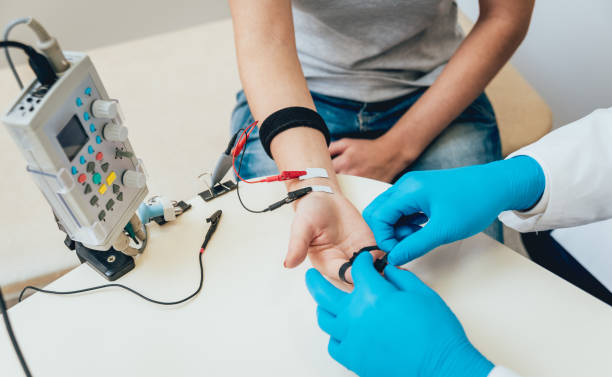
Nerve conduction studies, another part of EMG, use electrode stickers placed on the skin (surface electrodes) to measure the speed and strength of signals traveling between two or more points.

For more information about the team of neurologists at SanaMedic Medical Center, visit the services section of our website!

How do you prepare?


Food and medicine
When scheduling an EMG, ask if you should stop taking prescription or over-the-counter medications before the test. If you are taking a medicine called Mestinon (pyridostigmine), you should specifically ask if this medicine should be stopped for the study.

Bathing
Take a shower or bath shortly before the examination to remove oils from your skin. Do not apply lotions or creams before the examination.

Other precautions
The nervous system specialist (neurologist) who performs the EMG will need to know if you have certain diseases. Tell the neurologist and other EMG lab staff if:

  1. you have a pacemaker or other electrical medical device
  2. taking blood thinners
  3. Have haemophilia - a bleeding disorder that causes prolonged bleeding

Before the procedure
You will probably be asked to change into a hospital gown for the procedure and lie on the examination table. To prepare for the examination, the neurologist or technician will place surface electrodes in different locations on your skin depending on where you are experiencing symptoms. Or the neurologist may place needle electrodes in different places depending on your symptoms.
ЕМГ, неврология, emg, neurological examination

During the procedureа

When the study is in progress, the surface electrodes will sometimes transmit a small electric current that you may feel as a prickling or spasm. The needled electrode may cause discomfort or pain, which usually subsides soon after the needle is removed.

During the needle EMG, the neurologist will assess whether there is spontaneous electrical activity when the muscle is at rest - activity that is not present in healthy muscle tissue - and the degree of activity when you gently contract the muscle.

He or she will give you instructions for resting and shortening the muscle at appropriate times. Depending on what muscles and nerves the neurologist is examining, he or she may ask you to change your position during the examination.

If you are concerned about discomfort or pain at any time during the study, you may want to talk to the neurologist about taking a short break.

After the procedure


You may have temporary, minor bruising where the electrode was inserted into the muscle. These bruises should disappear within a few days. If they continue to appear, contact your GP.

Results


The neurologist will interpret the results of your examination and prepare a report. Your primary care physician or the physician who ordered the EMG will discuss the report with you at a follow-up appointment.

Изотчници:

  1. Rubin DI. Needle electromyography: Basic concepts. Handb Clin Neurol. 2019;160:243-256. doi: 10.1016/B978-0-444-64032-1.00016-3. PMID: 31277852.
  2. Dondelinger RM. Electromyography–an overview. Biomed Instrum Technol. 2010 Mar-Apr;44(2):128-31. doi: 10.2345/0899-8205-44.2.128. PMID: 20586391.

Sleep apnoea

  • сънна апнеа

What is sleep apnoea?

сънна апнеа

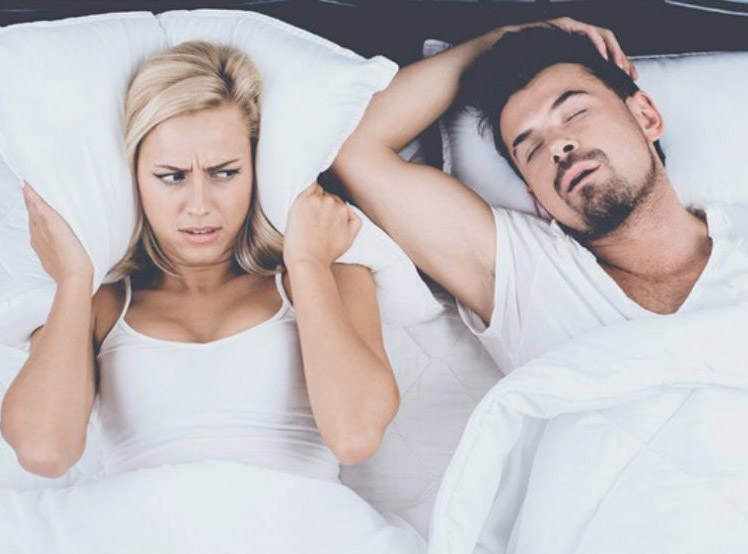
Sleep apnea (apnea - from Latin for lack of breathing, cessation of breathing) is a common condition characterized by episodes of cessation of breathing during sleep. Breathing stoppages can last from a few seconds to minutes and occur 5 to 30 or more times per hour. After a time , normal breathing returns, and may be accompanied by loud snoring or choking sounds.

Sleep apnea is one of the commonly seen chronic diseases that disturbs sleep 4 or more times a week.

This leads to poor sleep quality and fatigue during the day. Sleep apnea is one of the main causes of sleep deprivation, lack of quality sleep and daytime tiredness and fatigue.

The problem in diagnosing the disease is that it only manifests itself at night, which is why the person often does not know about it. A family member and/or bed partner may notice its first signs.

Sleep apnea often cannot be diagnosed in a routine medical examination. For this purpose, there are special devices that record heart, breathing and brain activity during sleep. The information they accumulate is then relied upon by a specialist who should recommend a further course of treatment.

What are the risk factors andcauses for  sleep apnoea?

Risk factors for obstructive sleep apnea include:

–-male gender

–-high blood pressure

–-obesity

–-smoking

–-old age

–-use of narcotics, sleeping pills or alcohol

–-neurological diseases

–DIabetes

What are the symptoms ?

Symptoms of obstructive sleep apnea include:

–-heavy snoring

–-waking accompanied by gasping

–-morning headache

–Insomnia

–daytime sleepiness

–-concentration disorders

–-high blood pressure difficult to control

сънна апнея

How is sleep apnea diagnosed?

Previously, the main way to diagnose sleep apnea was so-called Polysomnography, which was only performed in the laboratory. In this examination, you sleep overnight in the laboratory, during which time machines are attached to you that monitor organ function, breathing patterns, and leg and arm movements. Advances in medical technology now allow sleep apnea diagnosis to be done entirely at home, without having to leave the comfort and convenience of your home. This is possible with the help of modern portable sleep and breathing disorder screening devices. These devices perform complete respiratory monitoring of vital parameters that indicate the presence of sleep disturbances without having to change your daily routine.


Treatment methods for obstructive sleep apnea?


Промени в начина на живот:

сънна апнеа

–smoking cessation

–stopping alcohol use or not drinking alcoholic beverages a few hours before sleep

–losing weight

–avoid sleeping on your back

Sleep apnea machine treatment:

сънна апнеа

-CPAP mask (Continuous Positive Airway Pressure). This is the most widely used method of treating sleep apnoea (obstructive or central) and involves wearing a mask around the nose during sleep. The mask is connected to a machine that generates pressurized air, thus preventing the airway from closing.

-BPAP mask (Bilevel Positive Airway Pressure - Positive Airway Pressure at two levels) - unlike CPAP, which maintains a constant supply air pressure when you inhale and exhale, BPAP machines send air at a higher pressure when you inhale and at a lower pressure when you exhale. The purpose of this type of treatment is to help weak breathing. Some BPAP machines automatically supply air when they sense that you have not breathed over a certain number of seconds.

oxygen therapy - The machine supplies extra oxygen to your respiratory system while you sleep. This therapy has shown effectiveness in some cases of sleep apnea.

-rTMS (repetitive transcranial magnetic stimulation) Transcranial magnetic stimulation is a new non-invasive method of modulating the activity of the central nervous system. The idea of the method is to achieve an overall improvement of the condition without the use of drugs, but entirely naturally. It is used for insomnia, burnout syndromes, depression, memory and concentration disorders, after strokes and other brain damage.

Сънна апнея

What complications can sleep apnea cause?

Untreated sleep apnea increases the risk for:

–The development of high blood pressure, heart attack, stroke, obesity and diabetes;

–The development or worsening of heart failure;

–The development of cardiac arrhythmias;

–Fatigue - due to frequent awakenings at night and can lead to reduced concentration at work or while driving, which can lead to serious accidents

Clinic of Sleep Medicine and Sleep Apnea at SanaMedic Medical Center Varna

The office has state-of-the-art equipment - electro-encephalograph (EEG), electrocardiograph (ECG), electromyograph (EMG), transcranial magnetic modulator (rTMS). сънна апнея